November 16, 2026
Replacing a countertop can change how a kitchen looks and feels, but it is not always necessary during a renovation. A surface with minor scratches may still be useful, while swelling around a sink or a poorly supported slab could warrant a closer look. The right decision depends on the condition of the existing material, planned layout changes, and how the household uses the room. Consider what can stay in place before committing to demolition or material orders.
Before choosing new kitchen countertops, consider which problems the remodel needs to solve. Looking at damage, maintenance, materials, and installation timing can help homeowners avoid replacing a functional surface unnecessarily or keeping one that no longer meets their needs.
Evaluate Damage Before Deciding to Replace
Start with what can be seen and felt. Chips, scratches, dull patches, and stains may look serious, but some can be repaired or refinished depending on the material. A small chip in stone may be professionally filled, for example, while persistent marks on certain surfaces might need a different treatment. Avoid assuming every cosmetic flaw requires a complete replacement.
Structural concerns deserve greater attention. A loose section, widening seam, swelling around a sink, or damaged cabinet support can affect the stability of the worktop. Moisture may also harm the material beneath a surface even when the top looks intact. Have the underlying cause evaluated before ordering a replacement. For instance, stains near the sink might point to a plumbing leak rather than a failing countertop.
Take photographs and note where problems occur. A fabricator can explain whether repair is practical, whether matching materials are available, and whether replacing kitchen countertops would provide a more reliable result than repeated patching. The choice should reflect the severity of the damage, not simply its appearance.
Consider Age, Style, and Everyday Use
A countertop does not become unusable because a particular color or edge profile has gone out of fashion. Well-maintained materials can remain functional for years, although their condition varies with use, installation, and care. If the surface is still sound, updating paint, hardware, or lighting may achieve the desired look without changing it.
Replacement becomes more compelling when the existing work area no longer suits everyday tasks. Perhaps food preparation feels cramped, a seam interrupts the main workspace, or an edge has become uncomfortable to use. These are functional questions worth discussing alongside aesthetics.
According to Statista, 91% of surveyed homeowners with completed, ongoing, or planned U.S. kitchen renovations in 2025–2026 included countertop upgrades, making them the most frequently updated major feature. That popularity shows how central surfaces are to remodeling decisions, but it does not mean every household should replace them. The best reason is a clear improvement in usability, durability, or design.
Coordinate Countertops With Layout Changes
A remodel that relocates a sink, extends an island, or replaces cabinets often changes the dimensions of the work surface. Existing pieces may not fit the new arrangement, especially when cutouts or seams fall in the wrong places. Keeping the old material can sometimes work, but removing and reinstalling stone may cause breakage and is not always feasible.
Cabinet condition matters as well. New kitchen countertops need a level, stable base and adequate support, particularly around openings and overhangs. If the cabinets are being replaced, countertop measurements should generally wait until they are installed and secured. Otherwise, differences between the planned and finished layout may create fitting problems.
Discuss appliance dimensions, sink type, faucet placement, and backsplash connections early. A range or dishwasher change can affect clearances, while an undermount sink requires appropriate fabrication and support. Coordinating these decisions helps prevent last-minute modifications and supports a consistent finished design. Worktop height and reach should also account for accessibility and the needs of everyone using the kitchen.
Compare Materials Based on Maintenance Needs
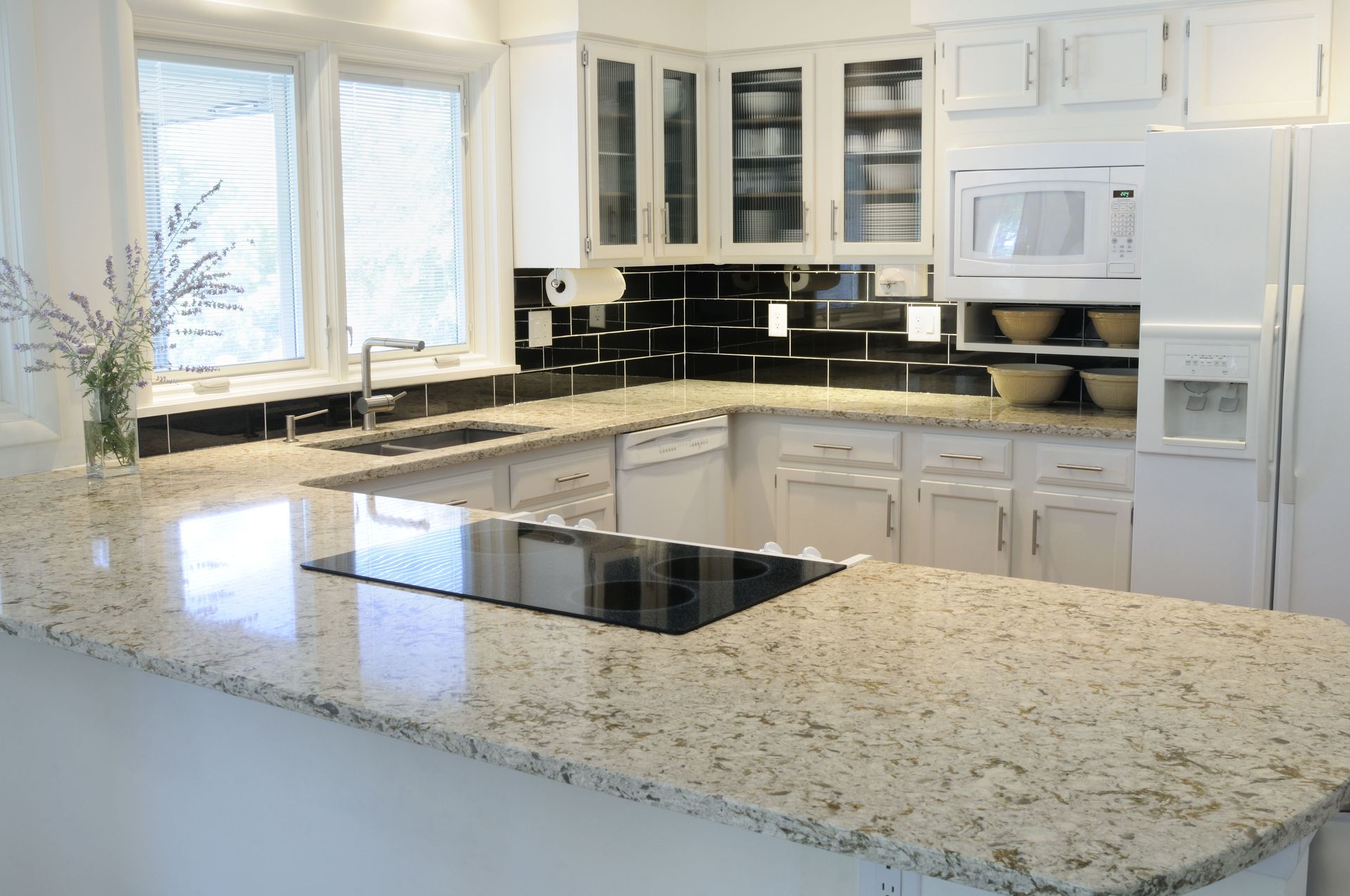
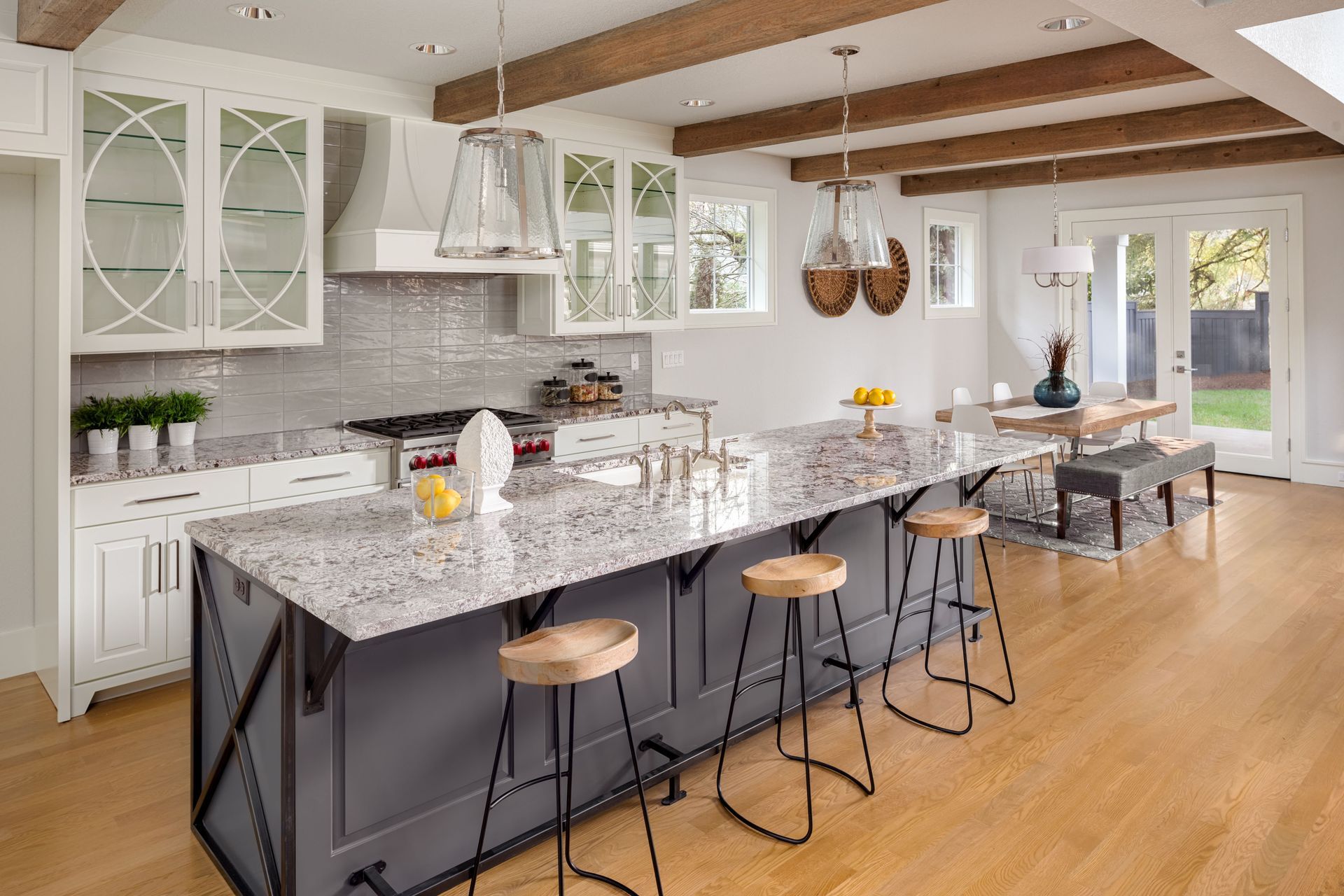
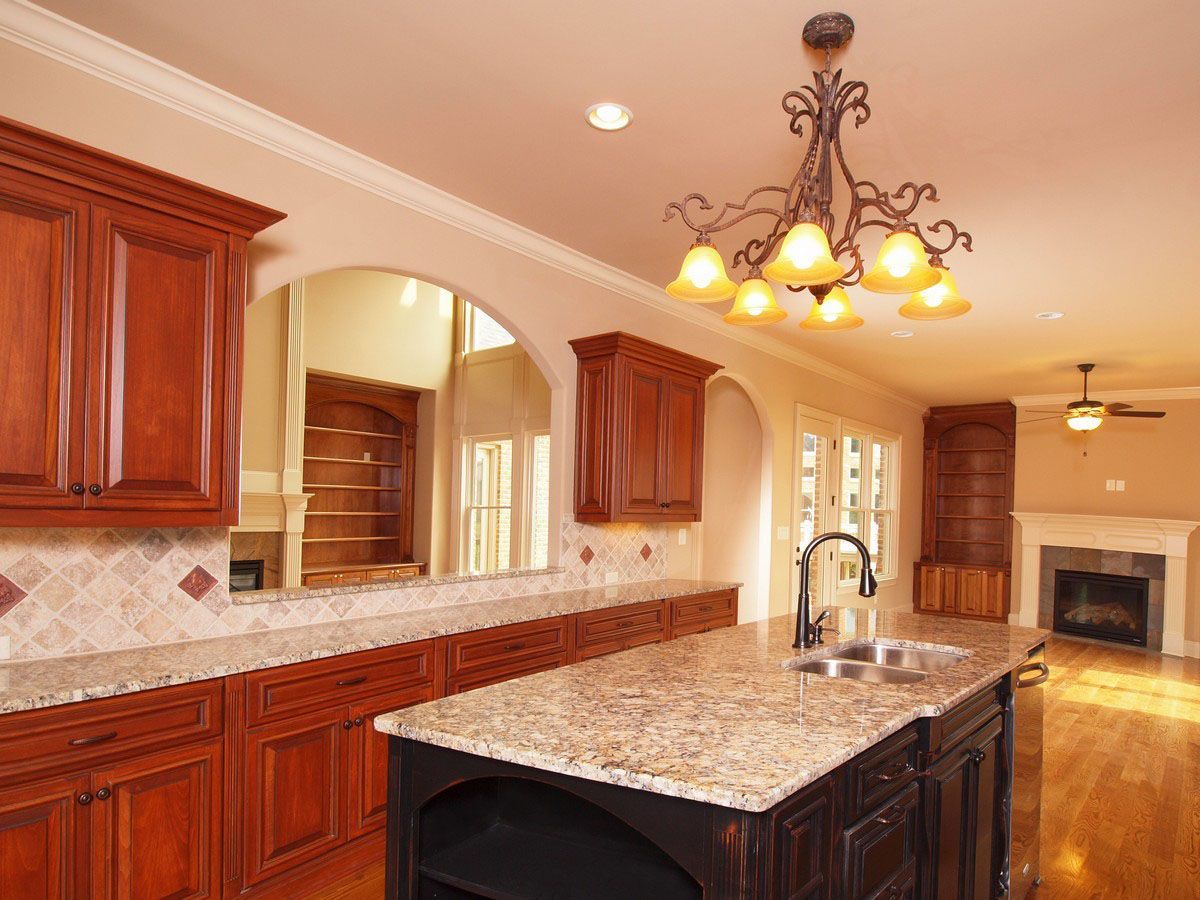
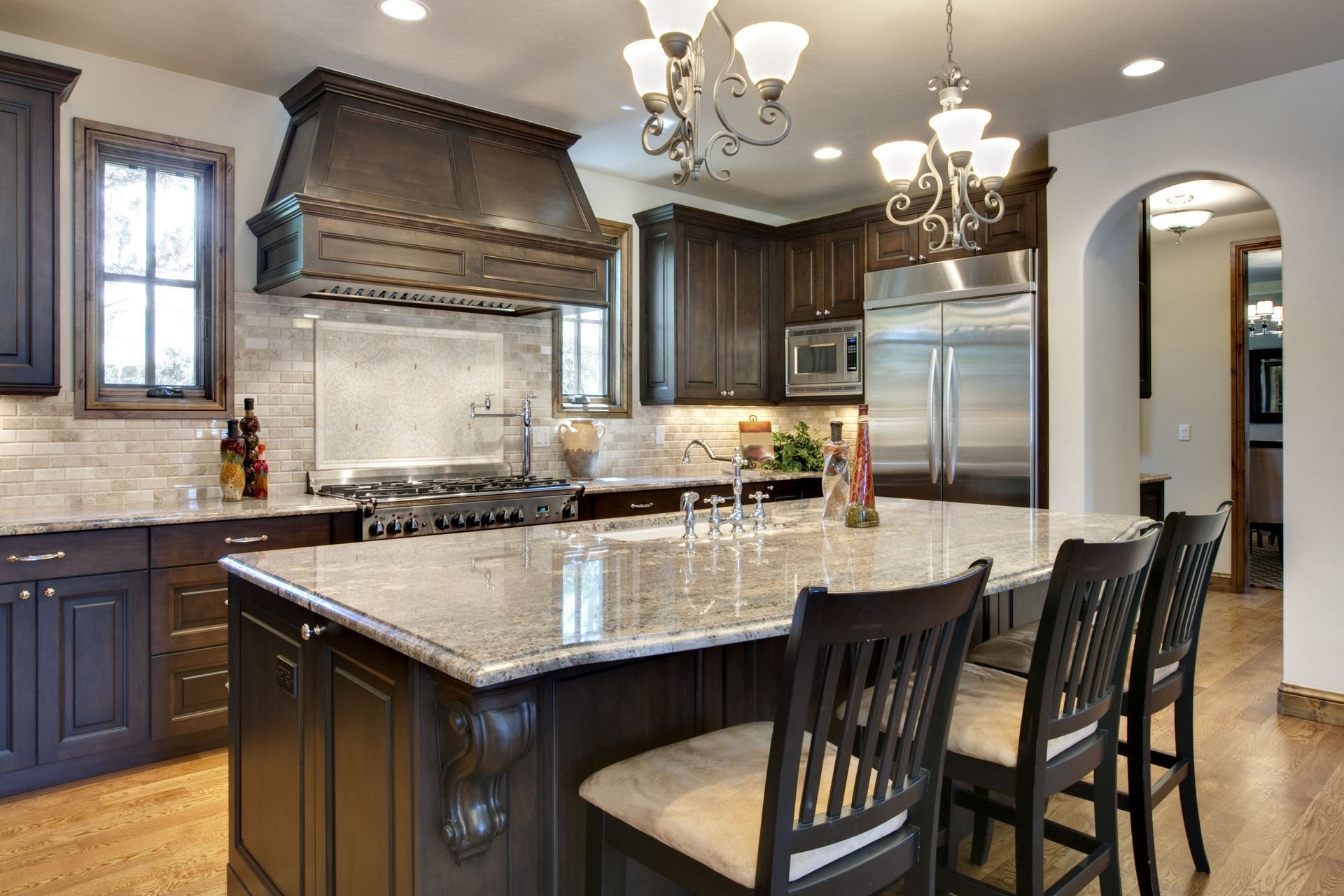
Granite, quartz, marble, laminate, and solid-surface products have different strengths. Granite offers natural variation and good durability, although some stones benefit from periodic sealing. Engineered quartz generally resists staining without routine sealing, but excessive heat can damage its resin components. Marble has distinctive veining yet is more vulnerable to etching from acidic foods and cleaners.
Laminate offers many finishes and is typically easier to replace, but heat and moisture exposure at damaged seams can cause problems. Solid-surface materials may allow certain scratches to be repaired, depending on the product. No option is completely maintenance-free or immune to damage. Ask for written care instructions because cleaners suitable for one finish may damage another.
When comparing kitchen countertops, handle samples and ask about cleaning instructions, heat precautions, seam visibility, and warranty terms. Consider whether the household regularly bakes, cooks large meals, or needs an accessible work surface. A finish that looks attractive in a showroom should also suit the way the space will actually be used.
Balance Replacement Costs Against Repairs
The cost of a new counter involves more than a slab or sheet of material. Removal, disposal, fabrication, edge profiles, cutouts, transportation, plumbing reconnection, and any required cabinet adjustments can affect the estimate. Unusual shapes and difficult access may add complexity. Ask for an itemized proposal that identifies what is included and what falls outside the quoted scope. Confirm how unexpected repairs would be approved before extra charges are added.
Repair deserves consideration when the current surface is structurally sound and the concern is isolated. Replacing an entire installation to fix one chip may not make financial or practical sense. Conversely, repeated seam failures, widespread damage, or a major layout redesign can make repair less appealing.
Compare the expected outcome, not just the initial expense. Choosing kitchen countertops that fit a realistic budget and maintenance routine may provide more lasting satisfaction than selecting a fashionable material that needs care the household cannot consistently provide. Avoid assuming that a new surface guarantees a particular increase in resale value.
Schedule Installation in the Right Order
Countertop installation usually follows major cabinet work and precedes some finishing tasks, including certain backsplash installations. The exact sequence depends on the remodel, but the fabricator needs final, accurate dimensions before making cutouts and shaping pieces. Changes after measurements can lead to delays or additional work.
Ask the installer when templates will be taken, how long fabrication may take, and when plumbing fixtures can be reconnected. Confirm who is responsible for disconnecting appliances and sinks, moving existing surfaces, and protecting nearby flooring. A clear schedule makes it easier to plan meals while the kitchen is temporarily out of service. Keep essential cookware accessible and arrange a temporary food preparation area.
Before approving kitchen countertops for fabrication, review the chosen material, edge detail, overhangs, seam locations, and sink openings. Once the installation is complete, inspect visible joints and ask about appropriate cleaning products and the time needed before using sealants or connected fixtures. These details can make everyday maintenance simpler.
Make the Replacement Decision With Confidence
New surfaces make sense when damage cannot be repaired effectively, a redesigned layout requires different dimensions, or the existing worktop no longer supports everyday routines. If the material remains stable and fits the project, keeping it may free resources for other important improvements. There is no universal replacement deadline.
Stone Design LLC can help homeowners explore material choices and practical installation considerations for
kitchen countertops. Contact the company to discuss your remodel, compare suitable surfaces, and plan a result that fits the way you use your kitchen.