April 15, 2026
Choosing the right custom granite counter tops requires careful consideration of both design preferences and functional needs. With a wide range of options available, homeowners can select surfaces that enhance the appearance of their space while supporting everyday use. Granite remains a popular choice for kitchens and bathrooms due to its durability and natural visual appeal.
The selection process involves evaluating the layout of the space, reviewing different styles and colors, and understanding how fabrication and installation contribute to the final result. Budget, material selection, and long-term care are also important factors to consider. Taking a structured approach can help simplify decision-making and lead to a more cohesive outcome.
1. Clear Space and Needs
Evaluate Kitchen or Bathroom Size
Before selecting custom granite counter tops, it is important to evaluate the size and layout of the space. Room dimensions influence the scale, shape, and overall design of the countertops. In smaller areas, lighter tones can help create a more open feel, while larger spaces can accommodate more prominent patterns or darker finishes.
Accurate measurements are essential for achieving a proper fit. In addition to surface area, consider wall placement, cabinetry, and other structural elements that may affect the layout. Careful planning helps ensure that the finished countertops integrate smoothly into the space.
Define Your Essential Functional Needs
Understanding how the space will be used on a daily basis helps narrow down suitable countertop options. Kitchens used for frequent cooking may require additional workspace and durable surfaces, while bathrooms may prioritize ease of maintenance and moisture resistance. Identifying priorities early helps guide the selection process.
Finish type can also influence performance. For example, different surface finishes may affect how easily the countertops can be cleaned or how they appear over time. Considering both practical use and visual preference ensures a more balanced decision.
According to Statista, 43 percent of homeowners aged 30 to 54 favored countertops out of granite during their current or planned kitchen renovation. This reflects how often custom granite counter tops are chosen for both functionality and visual appeal. Evaluating how the space is used helps ensure the final selection aligns with both short-term and long-term needs.
Consider Layout Constraints
Overall, layout constraints are an important part of planning for new countertops. Structural elements such as appliances, cabinetry, and walls should be considered early to ensure a cohesive design. Proper planning helps prevent complications during fabrication and installation.
Granite countertops can be custom-fabricated to fit a wide range of layouts, allowing for precise adjustments based on the dimensions of the space. This flexibility supports both functionality and visual consistency across the finished surface.
Plan Storage and Additional Features
Incorporating storage and additional features alongside countertop installation improves overall usability. Cabinetry beneath the countertops provides essential storage while maintaining a clean and organized appearance. Efficient storage solutions help maximize available workspace.
Additional elements such as sink cutouts, appliance placement, and overhangs for seating should be considered during the planning stage. These features should align with both the layout and the selected material to ensure a cohesive design.
Careful coordination between design and fabrication helps integrate these features without disrupting the overall look of the space. Thoughtful planning enhances both functionality and visual appeal.
Plan for Future Use
Planning for long-term use helps ensure that countertop selections remain functional and visually consistent over time. Changes in household needs or design preferences can influence how the space is used in the future. Choosing versatile styles supports adaptability.
Neutral tones and balanced patterns often provide greater flexibility, allowing the space to evolve without requiring major updates. Durability is also an important factor, as long-lasting materials help maintain the condition of the countertops over time.
2. Visual Styles and Colors
Choose Popular Granite Colors
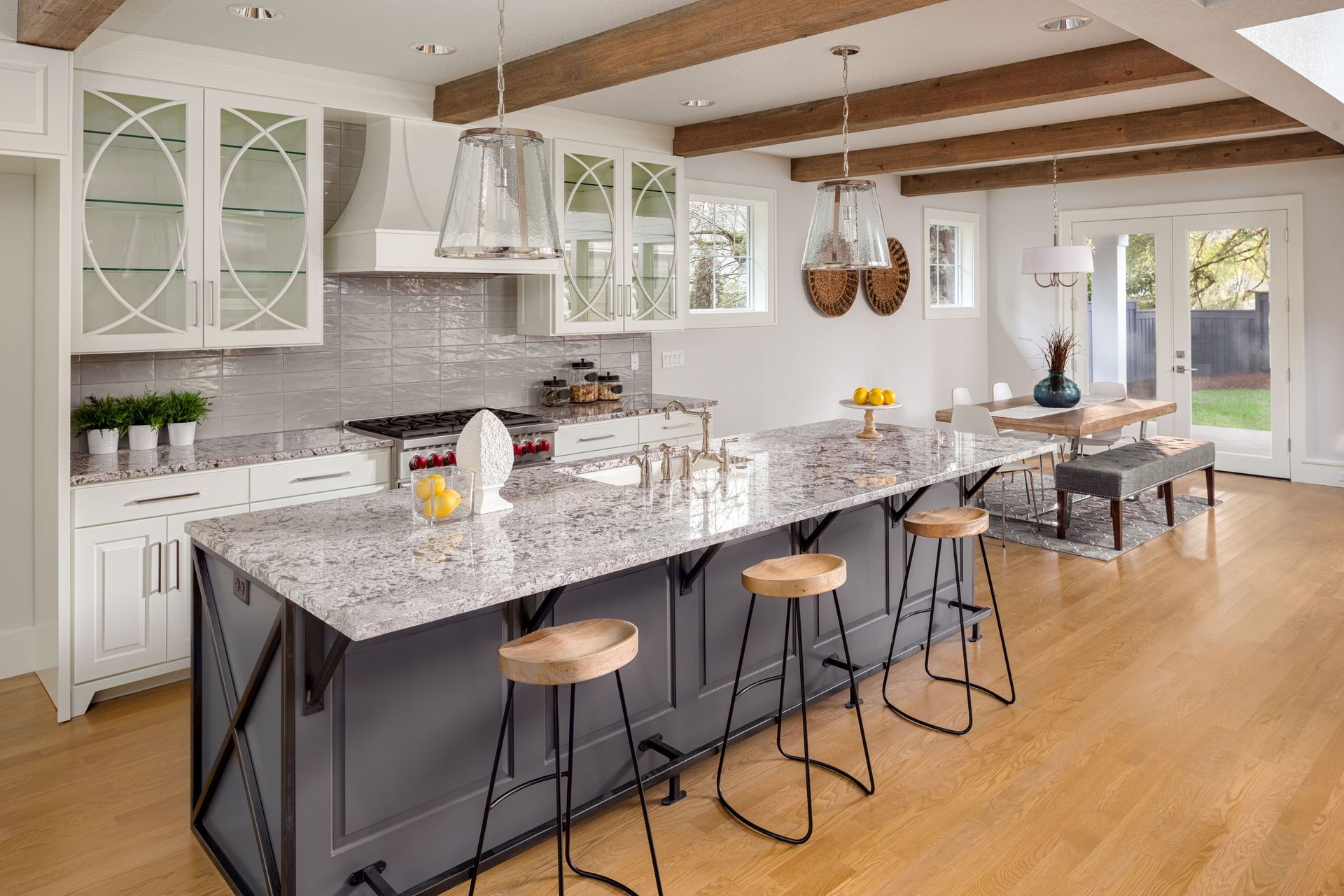
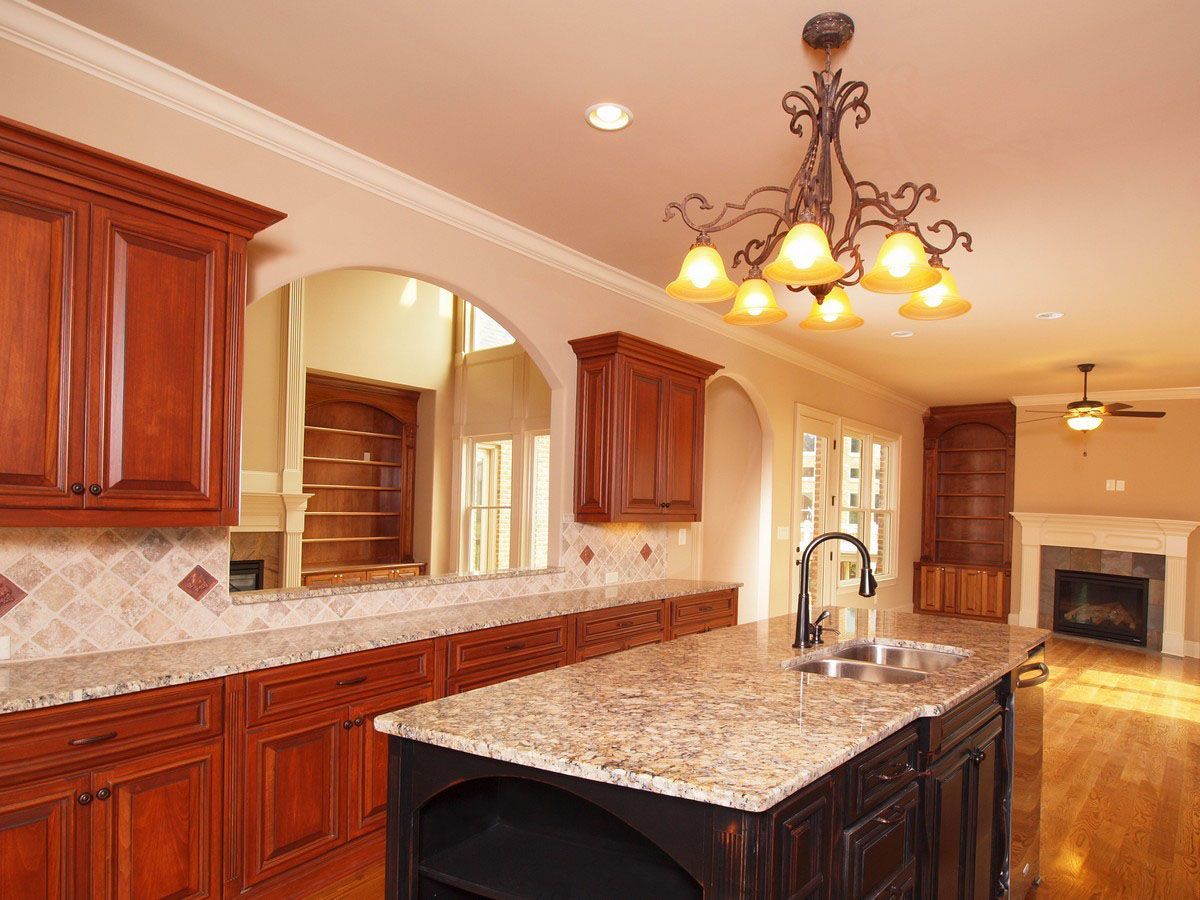
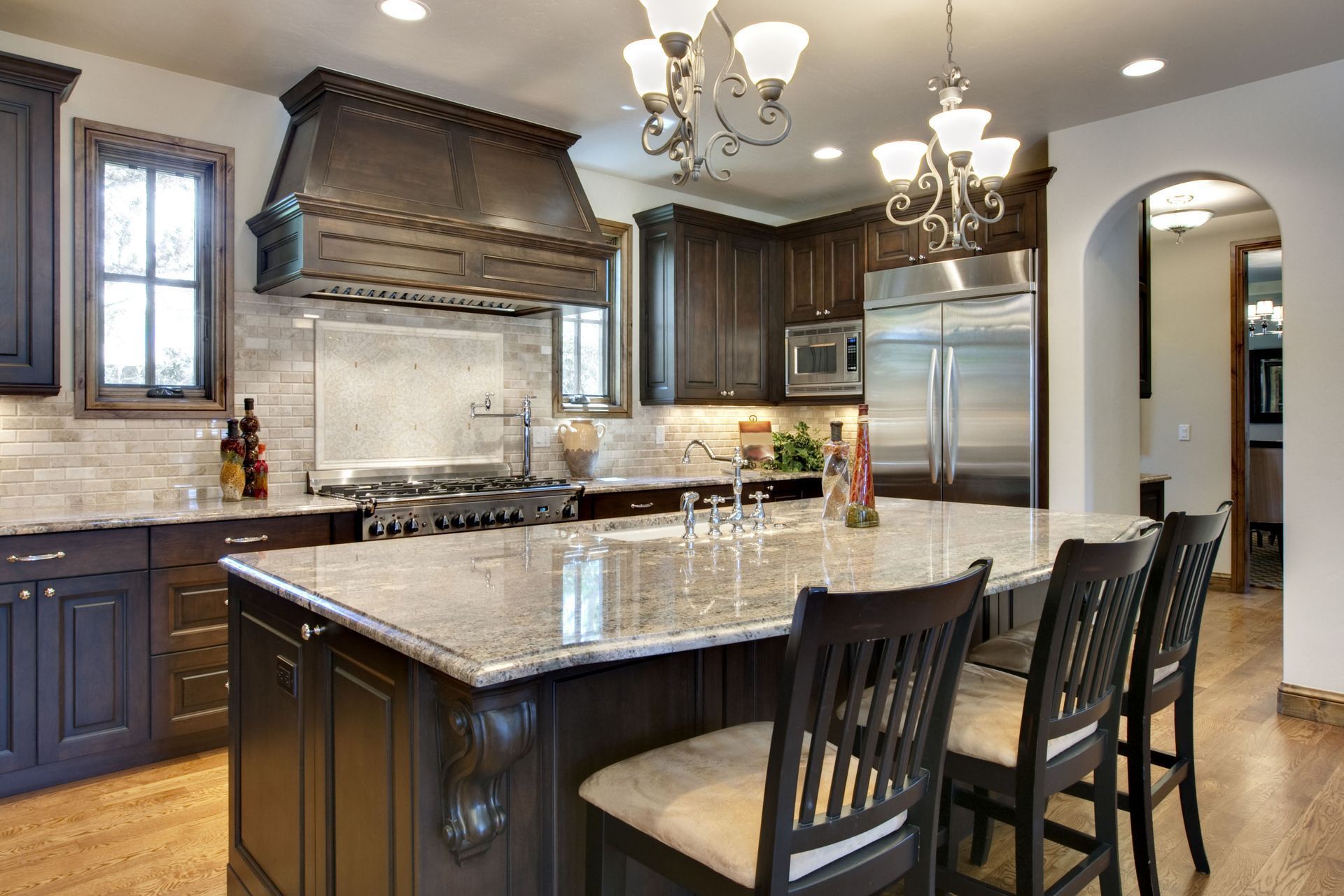
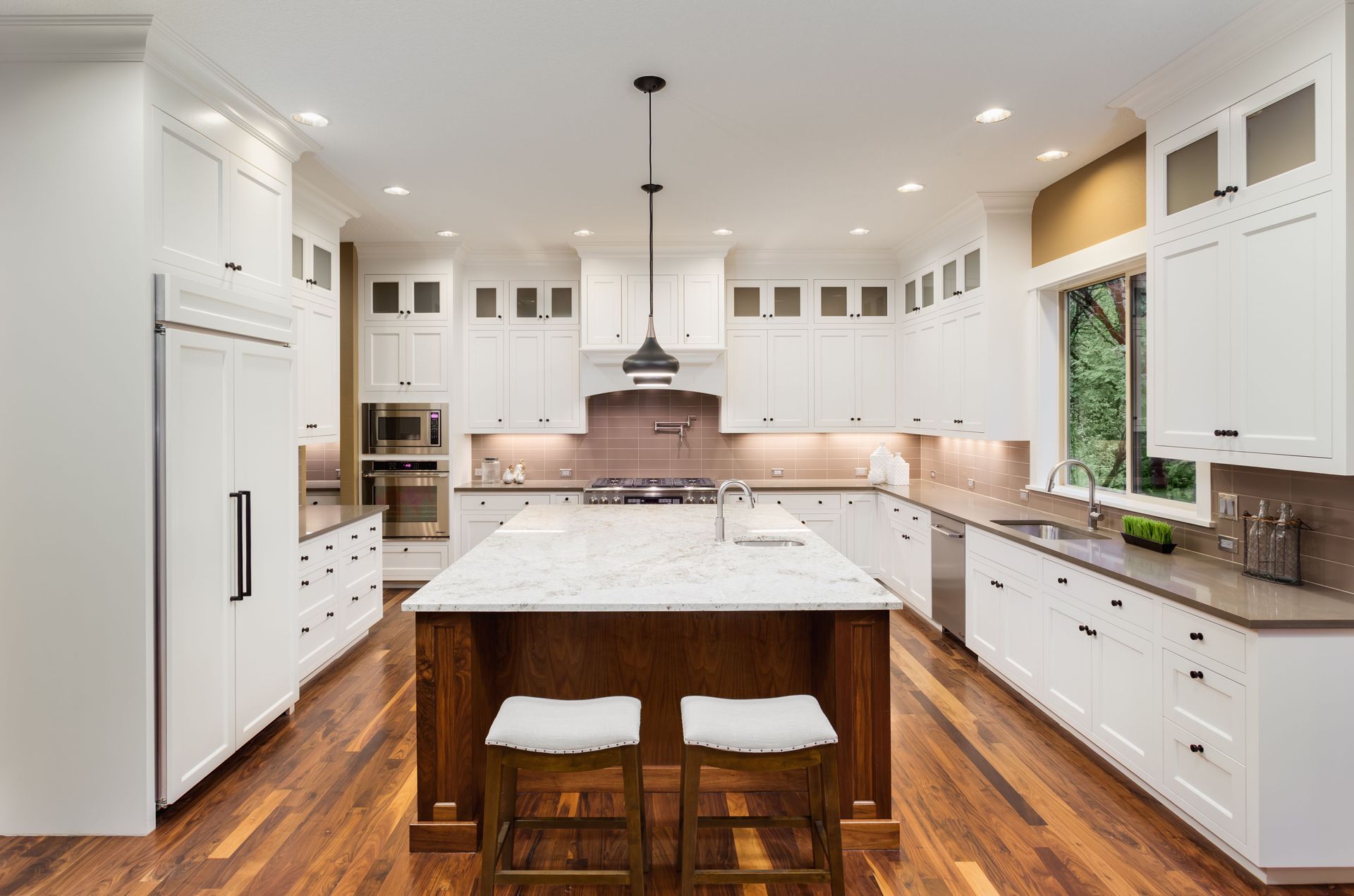
Color selection plays a significant role in the overall appearance of granite countertops. Neutral tones such as black, white, and gray offer versatility and can complement a wide range of interior styles. More distinctive colors can create contrast and serve as a focal point within the space.
Lighter shades can help make a room feel more open, while darker tones can create a more defined and grounded look. Understanding how different colors interact with lighting and surrounding elements helps guide the selection process.
Choosing the right color for custom granite counter tops ensures that the surface integrates well with cabinetry, flooring, and wall finishes. A well-coordinated palette contributes to a cohesive and balanced design.
Understand Granite Styles and Patterns
Granite features a variety of natural patterns, including veining, speckling, and movement within the stone. These variations contribute to the uniqueness of each slab and allow for a range of design possibilities. Each piece offers a distinct visual character that can influence the overall feel of the space.
Match Granite with Current Decor
Coordinating granite countertops with existing design elements helps create a unified appearance. Cabinet finishes, flooring, and wall colors should all be considered when selecting a material. This coordination supports a more intentional and cohesive design.
Balancing contrast and consistency is key. Countertops can either complement surrounding features or provide contrast to add visual interest. Both approaches can be effective when applied thoughtfully.
Reviewing material samples in person can help visualize how different options will look within the space. This step supports more confident decision-making before fabrication begins and helps avoid mismatched design elements.
Balance Trendy and Timeless Designs
Design choices often fall between current trends and more timeless styles. Trend-focused selections can introduce a modern look, while classic designs offer long-term versatility. Each approach has its own advantages depending on the goals of the project.
3. Strong Quality and Durability
Identify High-Quality Granite
High-quality granite is typically dense, consistent in structure, and visually uniform. Evaluating slabs for color consistency and surface integrity helps ensure a dependable selection. These characteristics contribute to both durability and appearance.
Natural variations are expected, but significant inconsistencies or visible defects may affect both appearance and performance. Careful inspection supports better long-term results.
Determine Durability for Various Use Cases
Granite is known for its durability, making it suitable for a range of applications. Its resistance to heat and everyday wear supports daily usage in both kitchens and bathrooms. This makes it a practical option for many households.
Inspect for Imperfections or Flaws
Inspecting granite slabs before fabrication helps identify any visible imperfections. Chips, cracks, or irregular patterns should be reviewed to ensure they meet expectations. Early inspection helps prevent issues after installation.
4. Smart Budget and Considerations
Set a Realistic Budget
Establishing a budget helps define the scope of the project and guides material and design decisions. Costs typically include material selection, fabrication, and installation. Understanding these components provides a clearer picture of the total investment.
Planning ahead helps avoid unexpected adjustments during the project. It also allows for better coordination between different stages of the process.
Evaluate Service and Value
Reviewing the full scope of services included in a countertop project helps determine overall value. Design consultation, measurement, fabrication, and installation all contribute to the final result. Each step plays an important role in achieving a cohesive outcome.
Understand Installation Costs
Installation is a key part of the countertop process, connecting design and fabrication to the finished space. Costs may vary depending on project complexity, layout, and material handling requirements. Proper planning helps manage these variables effectively.
Working with a professional team like Stone Design LLC can simplify the process, from initial planning through final installation, while helping ensure each step is handled with care. With a focus on accurate measurements, thoughtful design, and quality fabrication, homeowners can move forward with confidence in our project. To explore available options and see how these services come together, learn more about what Stone Design LLC offers.